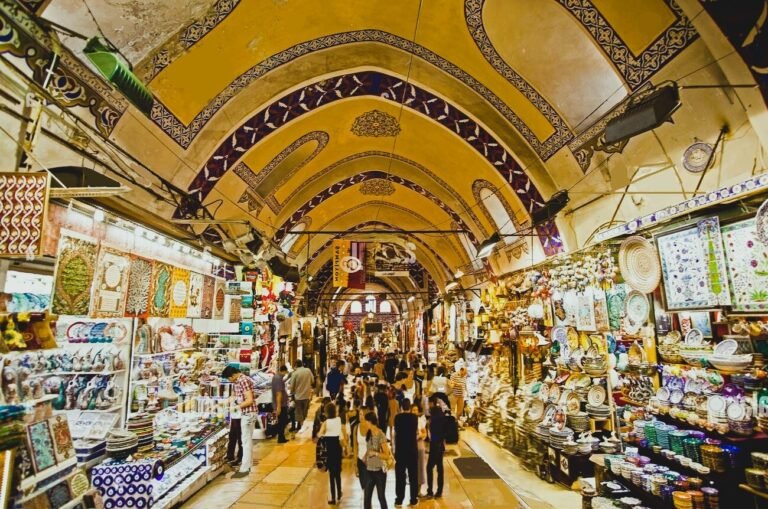
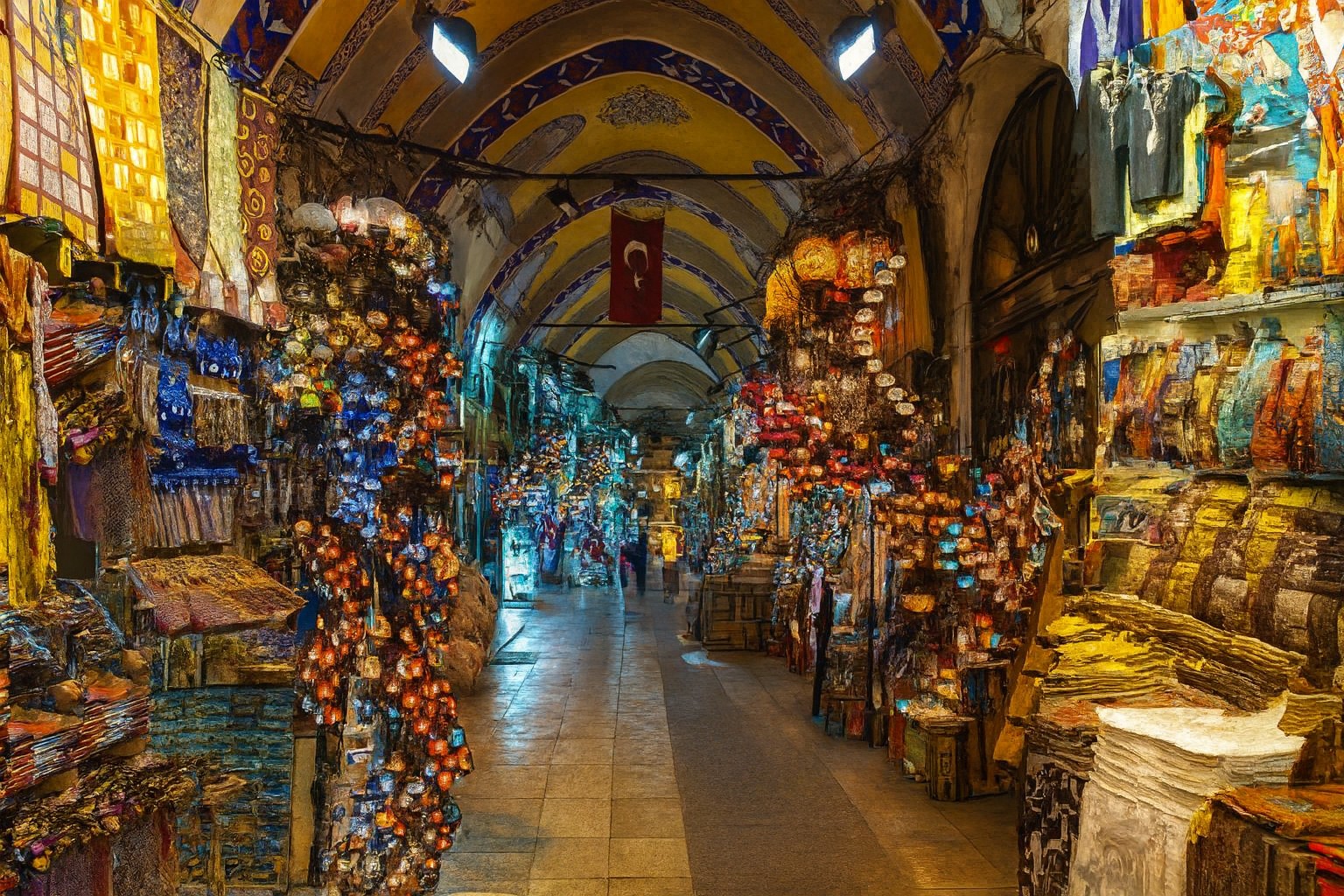
In the heart of the Grand Bazaar in Istanbul
In the heart of the Grand Bazaar
Markets of Istanbul: Stories Woven in Stone and Light
In the heart of Istanbul’s Grand Bazaar, markets are more than just places to shop; they are vibrant passageways where memories resonate. Here, amidst stone walls and shimmering lights, the city reveals its oldest stories
In the heart of the Grand Bazaar
Markets of Istanbul: Stories Woven in Stone and Light
In the heart of Istanbul’s Grand Bazaar, markets are more than just places to shop; they are vibrant passageways where memories resonate. Here, amidst stone walls and shimmering lights, the city reveals its oldest stories. Every step reflects centuries of exchange, every color carries the essence of another era. And among these timeless places, one market stands above all others: the Grand Bazaar, where the spirit of Istanbul is embodied in a mosaic of sounds, crafts, and the warmth of humanity.
In Istanbul’s Grand Bazaar, in the heart of the bazaar, where light Istanbul’s markets are living spaces where history breathes through stone, color, and human movement. They are not merely places of trade, but cultural corridors shaped by centuries of exchange between Asia and Europe. Dances on the faces of memory
The Cultural Pulse of Istanbul’s Markets
The markets scattered throughout the city reflect a rich heritage of ancestral crafts, storytelling, and community life. Each market has its own rhythm, a unique creativity shaped by its patrons, and traditions that continue to flourish within its walls.
A City of Bazaars: From Spices to Silk
From the Spice Bazaar to the copper markets and textile alleys, Istanbul’s commercial soul is woven through countless specialized spaces. These markets form a mosaic of scents, textures, and sounds that reveal the city’s layered identity.
Kapalıçarşı: Istanbul’s Beating Heart
Where Light Dances on the Faces of Memory
The Grand Bazaar stands as one of the world’s most vibrant and historic markets. With more than 2,500 shops across 60 lively streets, and nearly 26,000 workers, it remains a cultural landmark that draws visitors from every corner of the globe.
Here, beauty is not merely seen — it is felt. Lanterns glow like Eastern stars, fabrics breathe the scent of history, and every alley carries a story waiting to be discovered. Light dances across old stones, awakening echoes of the past. Every corner speaks of craftsmanship, every color whispers a tale.
Craftsmanship and Continuity
Generations of artisans have shaped Istanbul’s markets. Their skills, passed down through families, preserve the city’s artistic memory and ensure that traditional crafts remain alive in a modern world.
Why These Markets Still Matter
Beyond commerce, Istanbul’s markets are cultural anchors. They connect people, preserve heritage, and offer experiences that linger long after the visit ends.
In the end, Istanbul’s markets are more than destinations — they are experiences that linger long after the journey ends. They hold the scent of old stories, the glow of lanterns, the rhythm of footsteps crossing from past to present. And as visitors leave the Grand Bazaar, they carry with them not just souvenirs, but fragments of a city that speaks through its colors, its crafts, and its endless light. Here, in these winding alleys, Istanbul continues to breathe — softly, beautifully, eternally.
View more: In the heart of the Grand Bazaar in IstanbulImmortal Figures
Dates of the Ottoman Sultans
The Ottoman Sultans
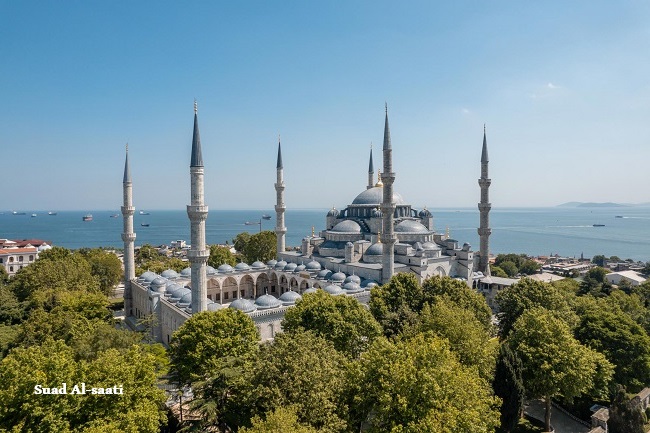
The Sultan Ahmed Mosque in the Fatih District of Istanbul
Istanbul Dolmabahçe Palace Museum
Architect Sinan, Ottoman architecture
Suleiman the Magnificent
Muhammad al-Fatih
Mustafa Kemal Atatürk
Mimar Sinan
Istanbul Pioneers
Osman Hamdi Bey
Sezen Aksu
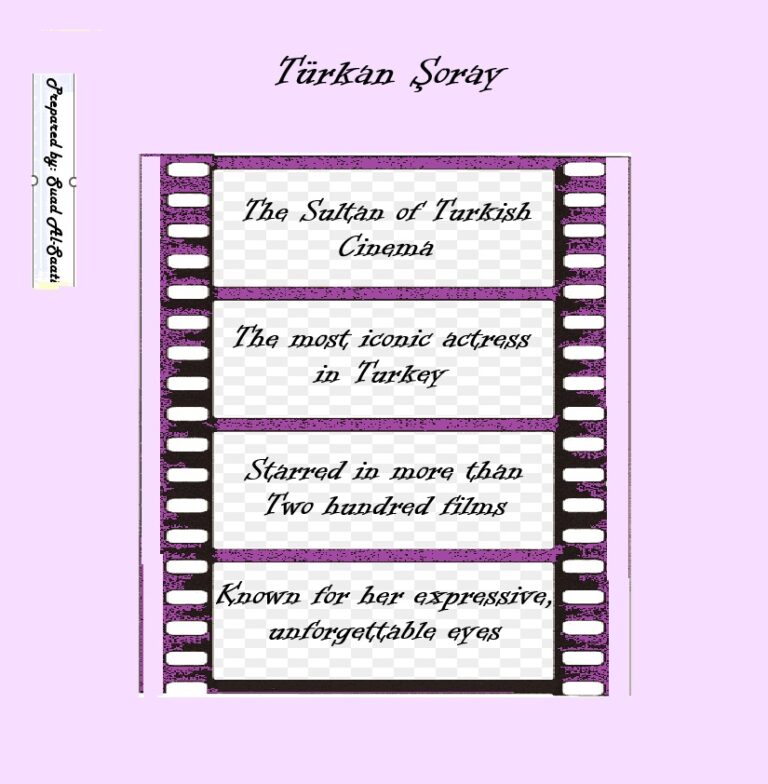
Türkan Şoray
Nazım Hikmet
Barış Manço
Zeki Müren
Orhan Pamuk
Ara Güle
Heart of Istanbul
Side view of Istanbul
Technology in Istanbul
The Center of Eurasian Interaction
Istanbul: The Center of Eurasian Interaction
Market heart
The Grand Bazaar and the Egyptian
In the heart of the Grand Bazaar in Istanbul
Laleli Market
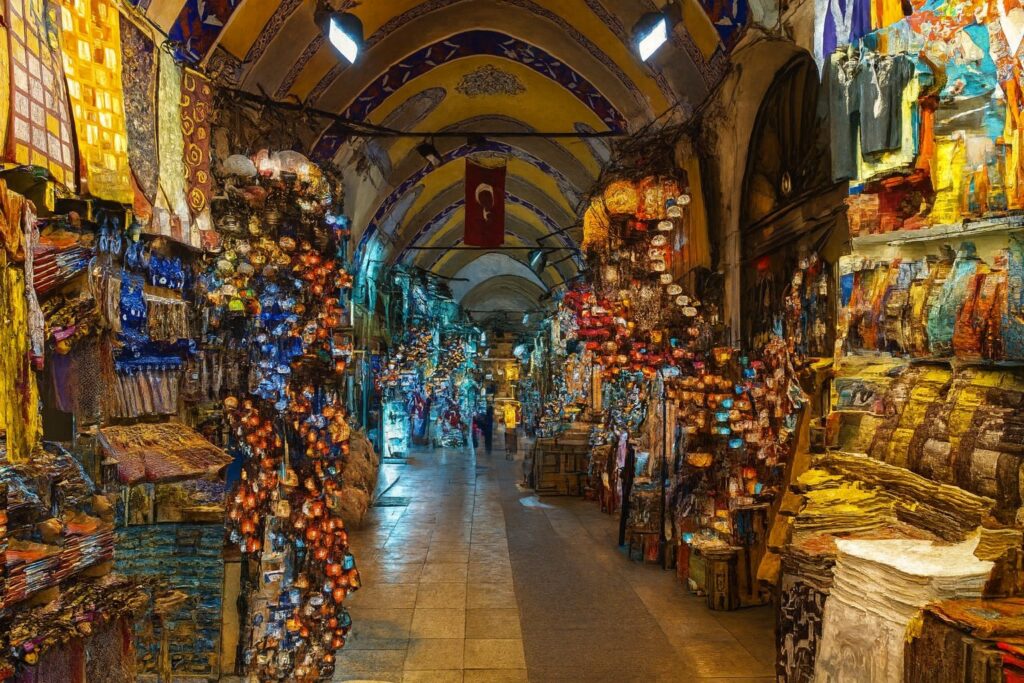
Every corner speaks of craftsmanship, and every color tells a story. Here, things are sold, and memories are bought.