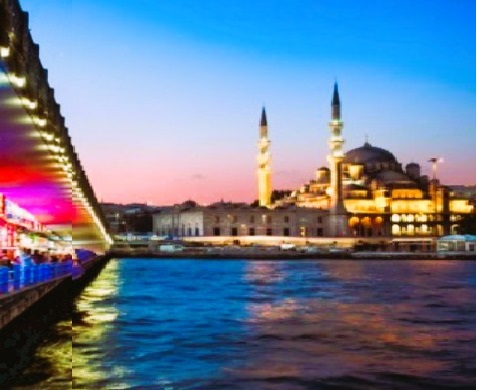
The Sultan Ahmed Mosque in the Fatih District of Istanbul
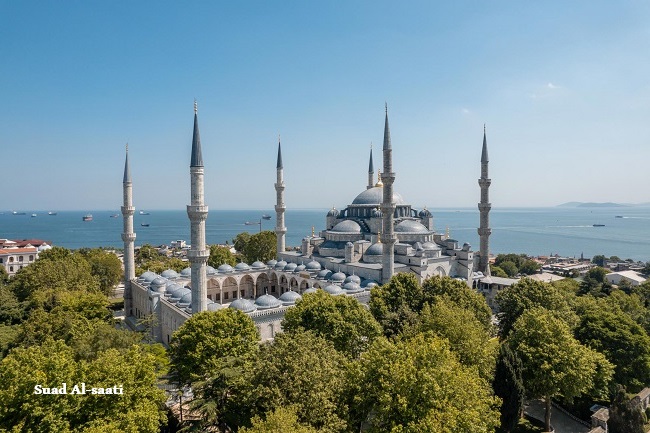
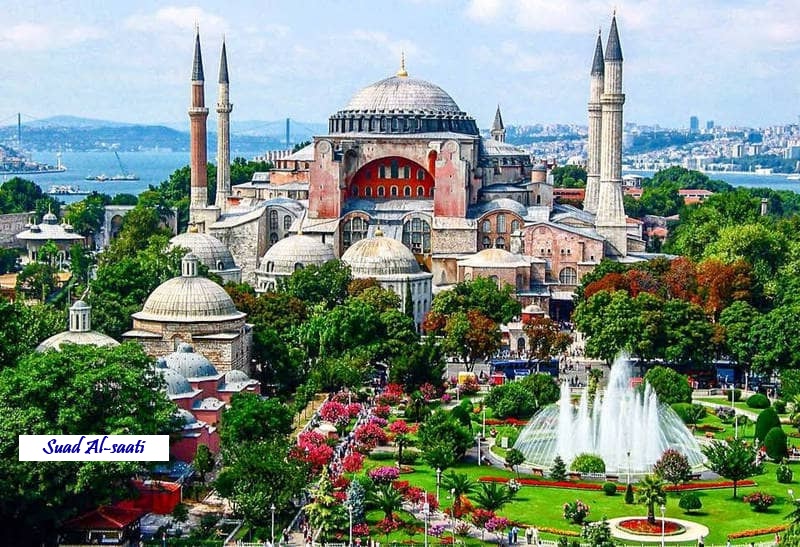
The creativity and excellence for which Turkey has been renowned since ancient times are evident in its architectural landmarks, including the Sultan Ahmed Mosque, located in one of Istanbul’s neighborhoods. This mosque is distinguished by its unique architectural beauty and is considered one of the most important and largest mosques in the world. It features five large main domes, six minarets, and eight smaller domes. Inside, it is rectangular in shape with a large central dome. The mosque is located directly opposite Hagia Sophia, which is no less important than the historical Hagia Sophia, and next to Topkapi Palace.
Historical and Cultural Significance of Istanbul
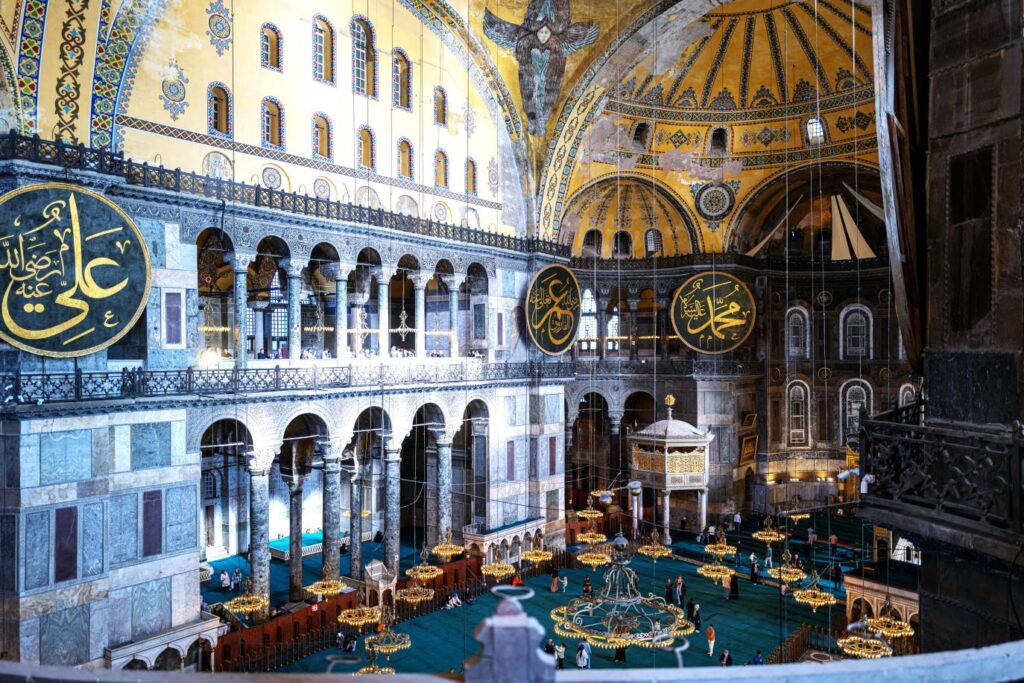
The Sultan Ahmed Mosque is one of the most prominent landmarks in the Fatih district of Istanbul. Moreover, it stands out for its architectural design, which blends Byzantine and Ottoman styles in a unique harmony. Built between 1609 and 1616 by order of Sultan Ahmed I, the mosque reflects the vision of the most skilled architects of that era. Today, its artistic brilliance continues to attract visitors from around the world.. Its interior is adorned with over 20,000 traditional Nicene ceramic tiles, decorated with floral motifs and chrysanthemums, creating a spiritual and aesthetically pleasing atmosphere. It also features stained-glass windows that allow natural light to filter through, highlighting the beauty of the interior decorations. Today, the mosque is a global tourist destination, reflecting the history and culture of that Islamic era.
Why Istanbul Holds a Unique Global Position
One of its most prominent features is that it is the largest mosque built in the Ottoman style since the early 17th century. The Sultan Ahmed Mosque is one of Istanbul’s most magnificent landmarks and one of its most important symbols. Its uniqueness stems not only from its breathtaking appearance but also from the unparalleled beauty of its construction, a symbol of gratitude to God. Sultan Ahmed ordered the selection of a suitable site for its construction. From among all the proposed locations, the emperor chose the Ayşe Sultan Palace, situated on the side of the Hippodrome facing Mecca. The palace overlooked the sea, was spacious, and was close to Topkapi Palace, in an area that was not crowded. For these reasons, it was an ideal location for its construction, as it displayed remarkable architectural ingenuity.