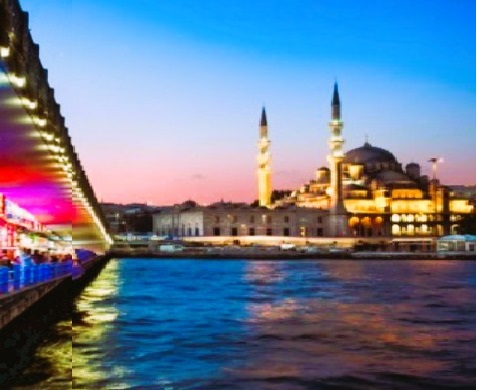
Istanbul: The Center of Eurasian Interaction
A region between Asia and Europe: a promising journey for growth and trade. Given its size and location, it represents a vibrant and dynamic interaction between nature and its creators. Its archaeological sites, which attract global visitors and investors, are characterized by medium-sized travel and trade. From its local natural beauty to its global markets, its strategic location, open to two continents, embodies the civilizational progress of Istanbul and Turkey as a whole.
Eurasian Civilizational Progress in Istanbul
The name Eurasian refers to Istanbul’s unique location between the continents of Asia and Europe, a meeting point of civilizations.
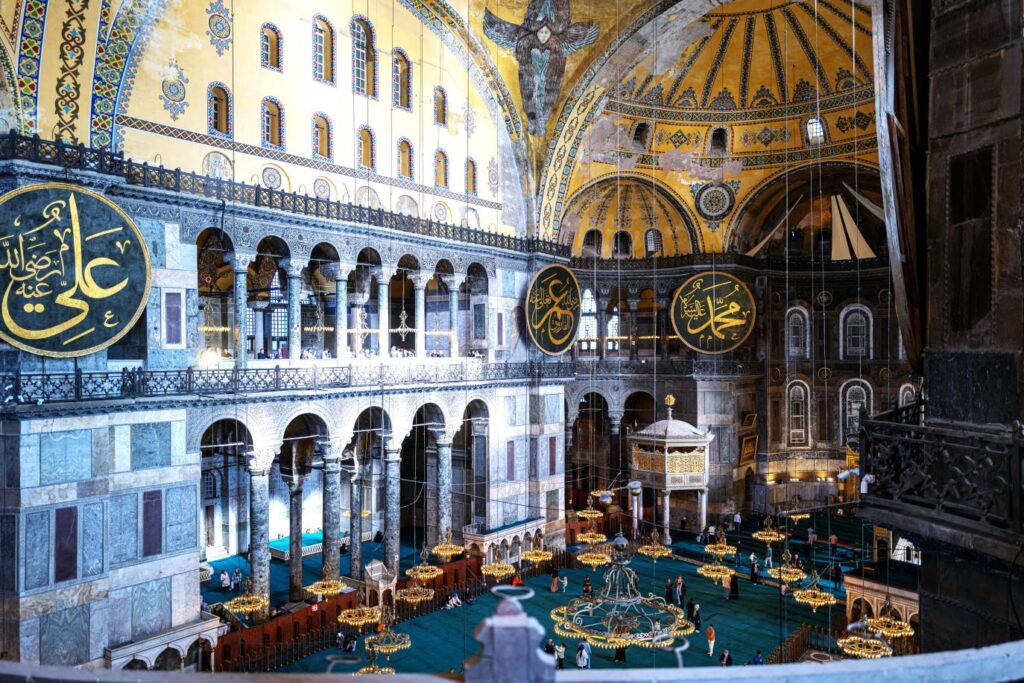
Anatolian Civilizational Progress: This section describes the historical, cultural, and architectural development the city has witnessed throughout the ages. It is an indelible, living legacy, sculpted by the creative thought of the original Turkish inhabitants, creating a distinctive landmark on the world map, cementing its unique place for all to see
European and Asian Istanbul
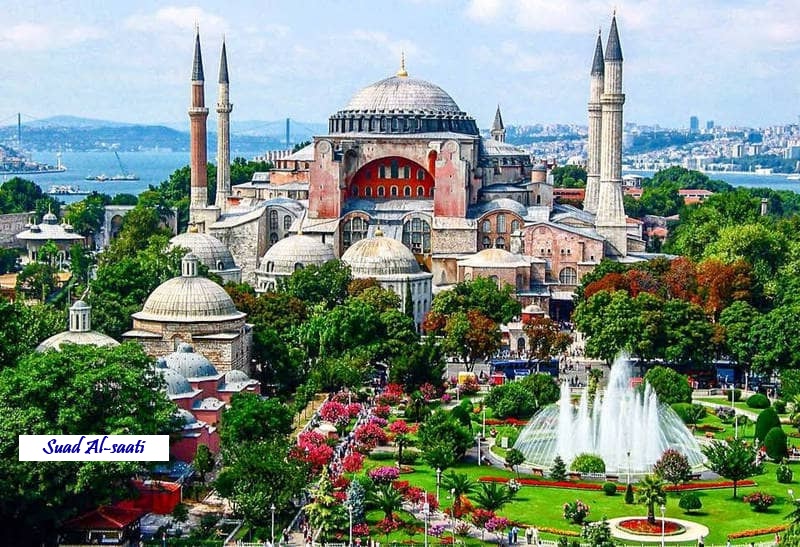
Istanbul attracts visitors from around the world, offering unforgettable moments and unique experiences. Moreover, its position between Asia and Europe has made it a remarkable center of history, geography, and cultural development throughout the ages. Today, the city continues to grow commercially, culturally, and architecturally. As a result, Istanbul invites global investment and participation, supported by its rich landmarks, natural beauty, bridges, waterfalls, restaurants, and services that make every visit memorable.
From Local Nature to Global Markets
Cultural Communication: Connecting Asia and Europe. There are distinct regions on both the European and Asian sides. Together, they create a continuous cultural bridge between two major civilizations. Moreover, the historical interconnectedness of material and intellectual development—especially on the Asian side—gradually extends toward Europe. As a result, this continuity interacts with the natural environment and strengthens the connection between diverse communities.
Ultimately, the defining feature is the dynamic relationship between vibrant regions and local villages. This connection supports the rich Asian agricultural production that flows toward European global trade.
قراءة المزيد: Istanbul: The Center of Eurasian InteractionImmortal Figures
Dates of the Ottoman Sultans
The Ottoman Sultans
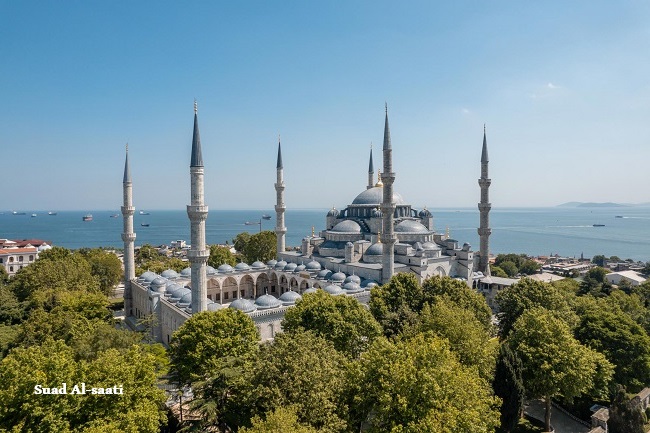
The Sultan Ahmed Mosque in the Fatih District of Istanbul
Istanbul Dolmabahçe Palace Museum
Architect Sinan, Ottoman architecture
Suleiman the Magnificent
Muhammad al-Fatih
Mustafa Kemal Atatürk
Mimar Sinan
Istanbul Pioneers
Osman Hamdi Bey
Sezen Aksu
Türkan Şoray
Nazım Hikmet
Barış Manço
Zeki Müren
Orhan Pamuk
Ara Güle
Heart of Istanbul
Side view of Istanbul
Technology in Istanbul
The Center of Eurasian Interaction
Istanbul: The Center of Eurasian Interaction
Market heart
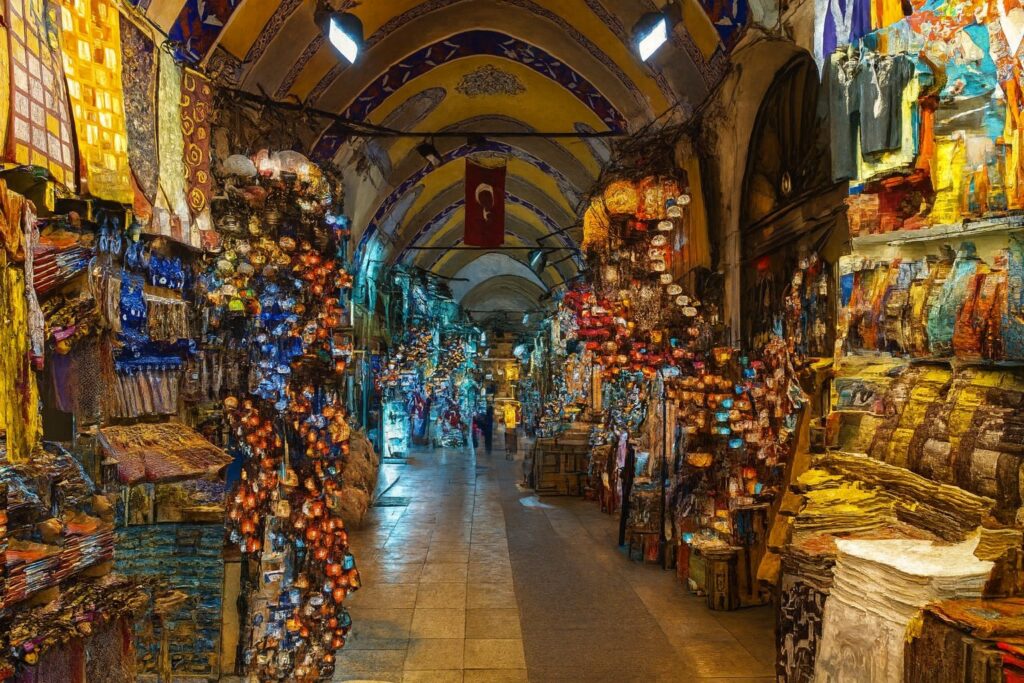
The Grand Bazaar and the Egyptian
In the heart of the Grand Bazaar in Istanbul
Laleli Market