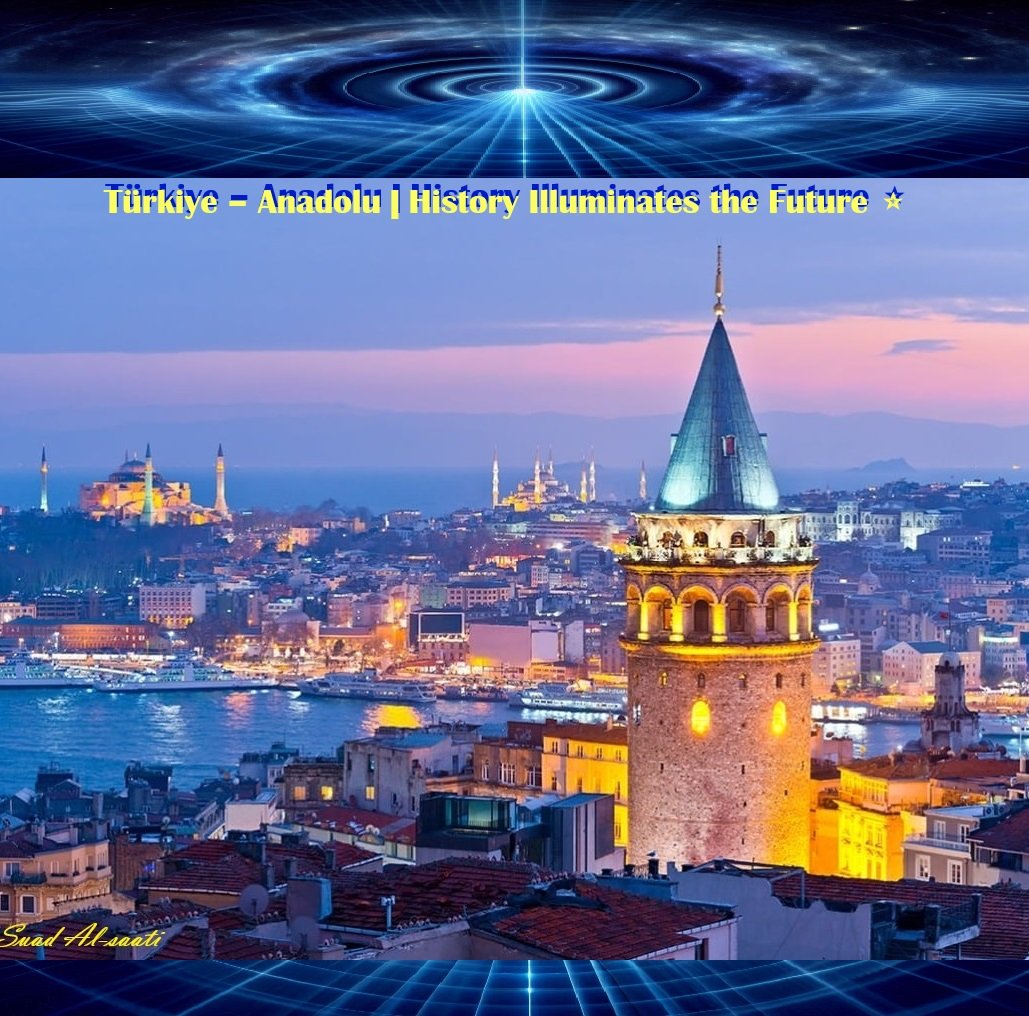
A City at the Crossroads of Civilizations
A City at the Crossroads of Civilizations
Istanbul’s history stretches across more than 2,500 years
making it one of the most influential cities in the world
Throughout its long existence, the city has stood at the intersection of continents, cultures, and empires. As a result, it has shaped global politics, trade, religion, and art in ways few cities can match. Moreover, its strategic location between Europe and Asia has ensured that every era left a visible mark on its identity.
From Byzantium to Constantinople
The city began as Byzantium, a Greek colony founded for its advantageous position on the Bosphorus. Over time, it grew in importance,
eventually becoming the capital of the Eastern Roman Empire in 330 CE under Emperor Constantine
Consequently, the city was renamed Constantinople and transformed into a center of administration, architecture, and Christian scholarship. Its walls, churches, and palaces reflected the sophistication of Byzantine civilization.
The Latin Interlude and Byzantine Restoration
In 1204, the Fourth Crusade captured the city, establishing the Latin Empire. This period, which lasted until 1261, marked one of the most turbulent chapters in Istanbul’s history. However, the Byzantines eventually reclaimed the city, restoring its cultural and political significance.
In addition, this restoration period revived artistic and intellectual life,
even though the empire continued to face internal challenges and external threats
A Global Capital Under the Ottoman Empire
The conquest of Constantinople by Sultan Mehmed II in 1453 opened a new and transformative era. Under Ottoman rule, which lasted until 1922,
the city became a global capital that connected Europe, Asia, and the Middle East
Moreover, Istanbul flourished as a center of trade, diplomacy, scholarship, and artistic innovation. Its mosques, palaces, bazaars, and educational institutions reflected the diversity and sophistication of the empire. As a result, the city became a symbol of cultural fusion and imperial power.
A Historical Overview Across Empires
Besides being a blessed capital for several states and empires
Istanbul has long served as a center of political power and cultural influence
Its role became especially prominent during the Late Roman and early Byzantine periods,
beginning with its establishment as the capital of the Eastern Roman Empire between 330 and 395. Under Emperor Constantine and his successors, the city emerged as a beacon of administration and religious authority
Following this era, the city witnessed dramatic shifts, including the period of the Latin Empire from 1204 to 1261.
The restoration of Byzantine rule in 1261 revived the city’s cultural and political significance, though it continued to face pressures from rising regional powers. Amidst these events
the Ottoman Empire played a defining role between 1453 and 1922,
shaping Istanbul into a world capital whose influence extended far beyond its borders
Consequently, the history of Istanbul occupies a vast space in global memory, leaving a sophisticated legacy that continues to shape the future
Layers of Culture, Community, and Identity
Throughout history, Istanbul has been home to diverse communities-Turks, Greeks, Armenians, Arabs, Persians, Jews, and many others. Each group contributed to the city’s architecture, cuisine, music, and traditions. In addition, the coexistence of these cultures created a unique urban identity that blended Eastern and Western influences. This cultural mosaic remains one of Istanbul’s most defining characteristics.
Istanbul in the Modern Era
Today, Istanbul stands as a living museum of layered history. Roman walls, Byzantine churches, Ottoman mosques, palaces, bazaars, and modern skylines coexist in remarkable harmony. Moreover, the city continues to evolve, embracing technological development and global connectivity while preserving its historical soul. As a result, Istanbul remains a city that shapes history rather than merely witnessing it.
قراءة المزيد: The History of Istanbul Through the AgesImmortal Figures
Dates of the Ottoman Sultans
The Ottoman Sultans
The Sultan Ahmed Mosque in the Fatih District of Istanbul
Istanbul Dolmabahçe Palace Museum
Architect Sinan, Ottoman architecture
Suleiman the Magnificent
Muhammad al-Fatih
Mustafa Kemal Atatürk
Mimar Sinan
Istanbul Pioneers
Osman Hamdi Bey
Sezen Aksu
Türkan Şoray
Nazım Hikmet
Barış Manço
Zeki Müren
Orhan Pamuk
Ara Güle
Heart of Istanbul
Side view of Istanbul
Technology in Istanbul
The Center of Eurasian Interaction
Istanbul: The Center of Eurasian Interaction
Market heart
The Grand Bazaar and the Egyptian
In the heart of the Grand Bazaar in Istanbul
Laleli Market