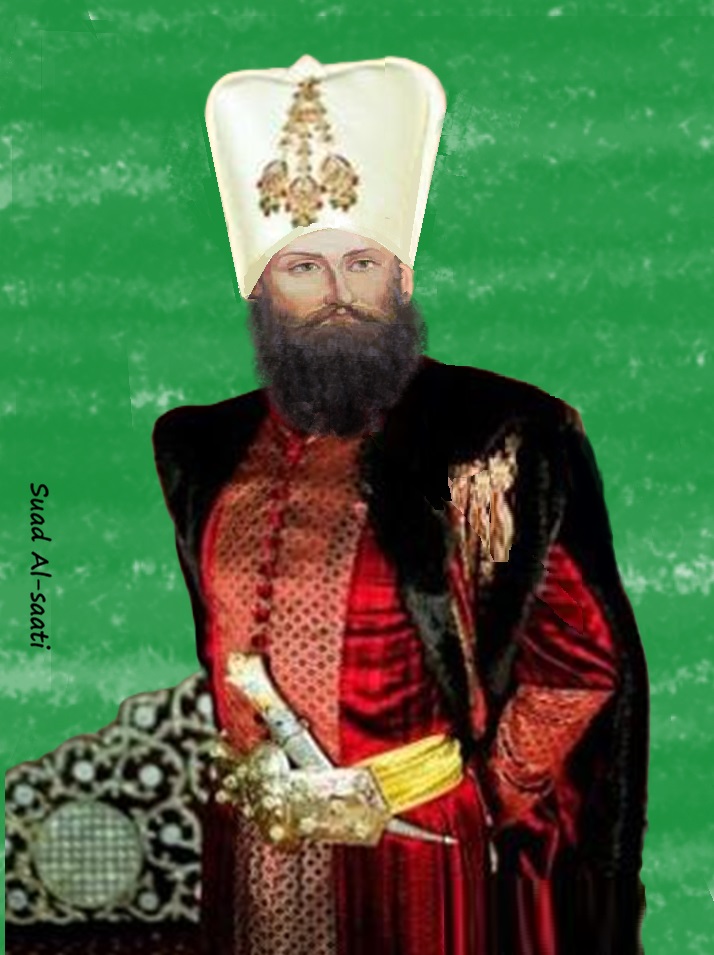
Suleiman the Magnificent
Suleiman the Magnificent — The Golden Age of Ottoman Istanbul
The Golden Age of Ottoman Istanbul, known as, is considered one of the greatest and most influential sultans of the Ottoman Empire in the history of Istanbul.
During his reign, the empire reached the zenith of its political, military, and cultural power, and Istanbul became a global center combining art, architecture, law, and trade.
the Magnificent left a profound mark on the city, the effects of which are still evident today
First: A brief historical background
He was born in 1494 and ascended to the throne in 1520, succeeding his father, Sultan Selim I
His reign lasted 46 years, the longest in the history of the Ottoman Empire.
He combined military might with legislative wisdom, making him an exceptional leader in the history of the Islamic world.
Second: Istanbul during the reign of Suleiman the Magnificent
The political capital of the Ottoman Empire
During the reign of the Magnificent, Istanbul became
The administrative center of an empire spanning three continents
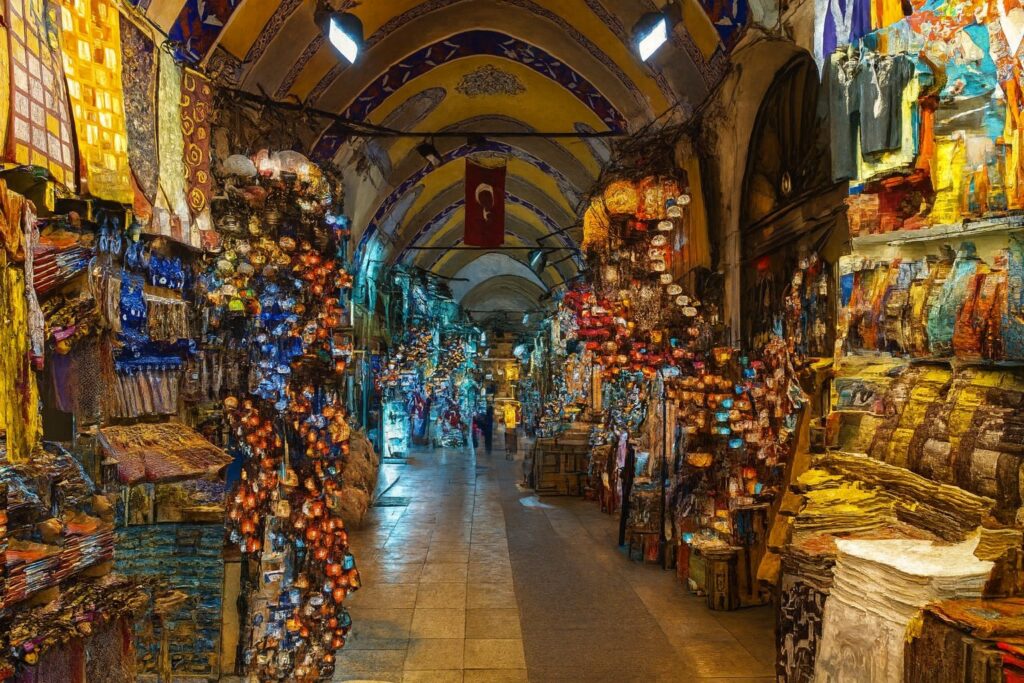
A city that welcomed ambassadors, scholars, and merchants
A meeting point of East and West
The city was vibrant, and its importance grew day by day
Third: Architecture during the reign of Suleiman, the era of the architect Sinan
Unprecedented Expansion of Arts and Architecture
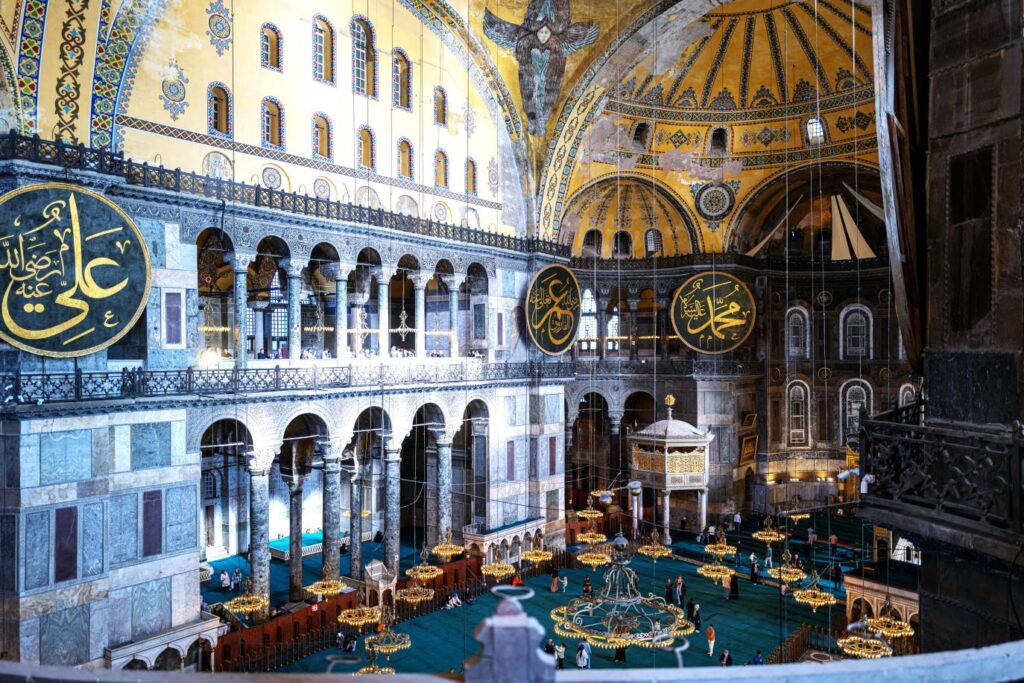
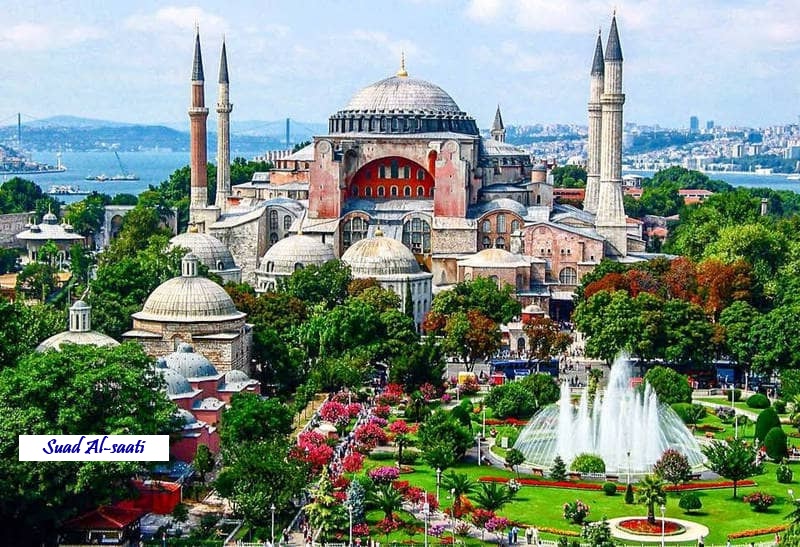
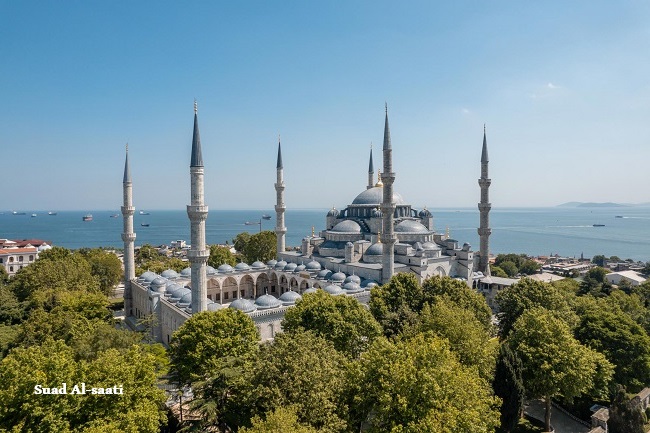
Unprecedented Expansion of Arts and Architecture During the reign of Suleiman the Magnificent, the empire experienced a remarkable architectural renaissance. Moreover, this period was shaped by the genius of Mimar Sinan, who later became the chief architect of the state. His innovative vision transformed Ottoman architecture and set new artistic standards that endured for centuries.
The most important landmarks built during his reign
The Sulaymaniyah Mosque: One of the world’s greatest architectural masterpieces
Bridges, baths, and schools
Development of the city’s urban infrastructure
Expansion and organization of neighborhoods
Sultan Suleiman believed that architecture was the language of the state, and that Istanbul should be its cultural face.
Fourth: Suleiman’s legal reforms
He was nicknamed “The Lawgiver” Suleiman the Magnificent
Suleiman was not called “the Lawgiver” for nothing.
He implemented sweeping reforms in:
The Judiciary
Taxation
Civil Law
State Administration
Protection of Citizens’ Rights
Thanks to these reforms, Istanbul became a center of justice and order.
Unifying laws
The work included the following:
Compiling the scattered laws
Organizing them into a single system
Provided that their application was repealed
These reforms had a profound impact on daily life in Istanbul.
Fifth: Cultural and social life in Istanbul
The flourishing of the arts
During his reign, the following fields flourished:
Arabic calligraphy
Poetry
Music
Decorative arts
Manuscript production
Supporting scientists and thinkers
Istanbul has welcomed:
Scholars
Historians
Poets
Artists
Engineers
And has become a global cultural center.
Sixth: The impact of the identity of Istanbul
Global city
During his reign, Istanbul transformed into:
A thriving city
And also, a major commercial center
In addition, a cultural capital
Furthermore, a meeting point of civilizations
Architectural and legal heritage
His legal legacy is still evident in:
Mosques
Schools
Bridges
Laws
Urban Planning
He left an indelible mark on the city’s history
In conclusion, He was not merely a powerful sultan; he was the architect of Istanbul’s golden age.
He combined power with justice, architecture with law, and civilization with history
Even today, Istanbul bears the marks of his reign, a testament to one of the most glorious periods in its long and illustrious history.