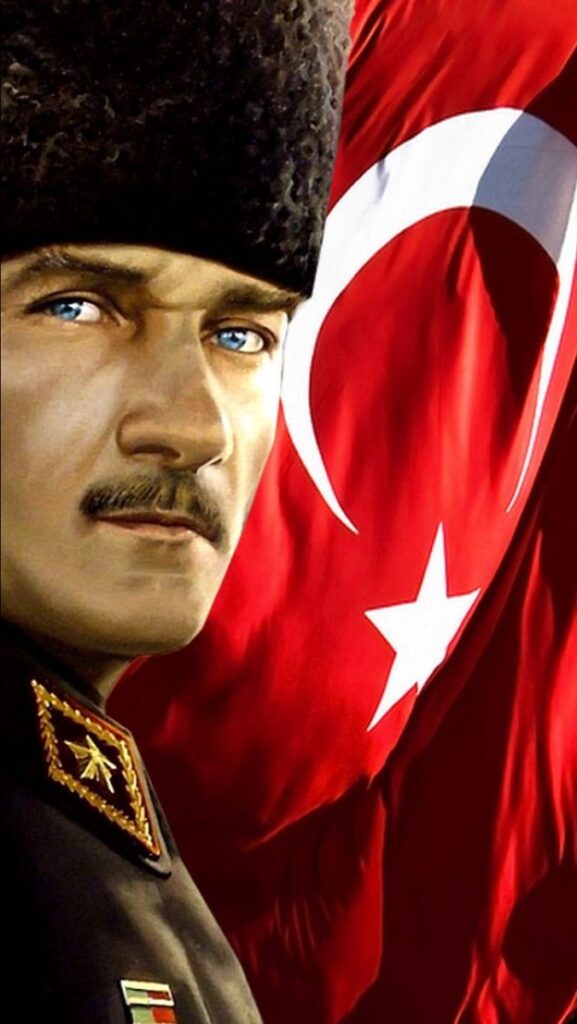
Mustafa Kemal Atatürk
Mustafa Kemal Atatürk is considered one of the most prominent figures in the history of modern Turkey, and a symbol of Istanbul’s transformation from a traditional Ottoman city into a modern cultural center. Although the capital moved to Ankara after the founding of the Republic, Istanbul remained the cultural and economic heart of the country, and under Atatürk, it witnessed profound changes that leave a lasting impact.
First: A brief historical background
Mustafa Kemal was born in 1881 in Salonika and rose through the ranks of the military to become a prominent commander during World War I. After the collapse of the Ottoman Empire, he led the War of Independence and founded the Republic of Turkey in 1923, initiating a period of comprehensive reforms that transformed the country.
Second: Ataturk’s reforms and their impact on Istanbul
Modernization of management and organizational structure
Reorganization of municipalities and government institutions
Introduction of modern administrative systems
Strengthening the role of civil law
Developing administrative structures that directly impacted the administration of Istanbul
Education and cultural reforms
Unifying the education system
Abolishing traditional schools
Establishing modern schools and universities
Supporting the arts, theater, and music
Creating a new cultural environment that made Istanbul a center of creativity
Updating social life
Introducing modern civil laws
Strengthening the role of women in society
Changing public lifestyles
Supporting social and cultural institutions
Infrastructure development
Although the capital became Ankara, Istanbul has witnessed:
Road improvements
Port development
Modernization of transportation systems
Support for new urban development projects
Third: Istanbul in the early days of the Republic
After 1923, Istanbul faced significant challenges due to the relocation of the capital, but it quickly regained its prominence thanks to:
Its geographical location
And its economic strength
Its cultural heritage
State support for modernization projects
Atatürk himself frequently visited Istanbul, considering it Turkey’s face to the world
Fourth: Ataturk’s legacy in Istanbul today
His influence remains evident in:
Universities and educational institutions
Museums and cultural centers
The modern administrative structure
And the city’s civic identity
The republican values that Istanbul embraced early on
Numerous squares, schools, and bridges bear his name in recognition of his role in building the modern state.
conclusion
Mustafa Kemal Atatürk was not merely a political leader, but the architect of an entire era of transformation.
Istanbul—with its profound history and ever-renewing spirit—was one of the most significant arenas where his influence was most clearly felt.
Understanding his role in the city helps us to read the history of modern Türkiye and grasp the roots of a transformation that continues to this day.