Muhammad al-Fatih
Mehmed the Conqueror — Conqueror of Constantinople and architect of Ottoman Istanbul’s identity
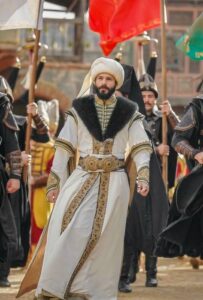
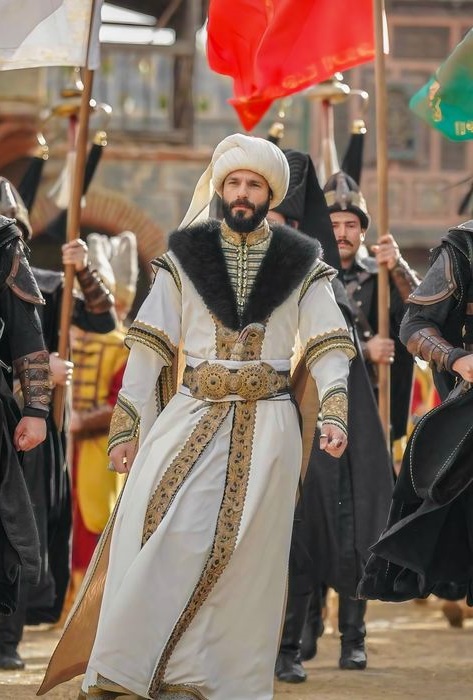
Sultan Mehmed II, known as Mehmed the Conqueror, is considered one of the greatest leaders in Ottoman and world history.
He was the man who changed the course of history by conquering Constantinople in 1453, transforming the city from a Byzantine capital into an Ottoman Islamic cultural center.
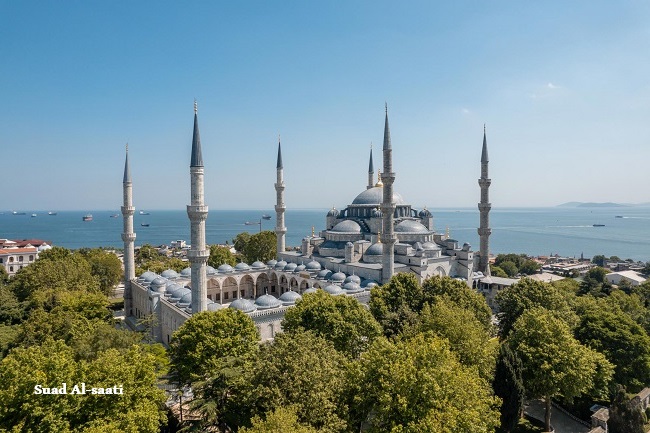
Istanbul as we know it today—with its landmarks, markets, mosques, and unique character—bears a clear imprint of the Conqueror’s era.
First: A brief historical background
Mehmed the Conqueror was born in 1432 and assumed power twice, first at the age of twelve and again in 1451.
He was passionate about science, fluent in several languages, and surrounded himself with scholars and engineers, making him an exceptional leader who combined military might with a civilizational vision.
Second: The conquest of Constantinople, the event that changed the world
On May 29, 1453, Mehmed the Conqueror successfully captured Constantinople after a long siege and meticulous planning.
He ended the Byzantine Empire
And he ushered in a new era in Europe and the East
He made Istanbul the capital of the Ottoman Empire
He cemented his place as one of the greatest military leaders in history
From that day forward, he was known as “the Conqueror
Third: Rebuilding Istanbul After the Conquest
Rebuilding the City
After the conquest, the conqueror found the city nearly deserted and exhausted.
He began a massive reconstruction project:
Restoring the walls
Repairing the infrastructure
Reorganizing the neighborhoods
Encouraging residents to return and settle
Transforming Istanbul into a global capital
The Conqueror worked to make the city a political, cultural, and economic center:
Establishing new administrative institutions
Supporting international trade
Welcoming scholars and artists from various countries
Fourth: The Grand Bazaar — the heart of Ottoman trade
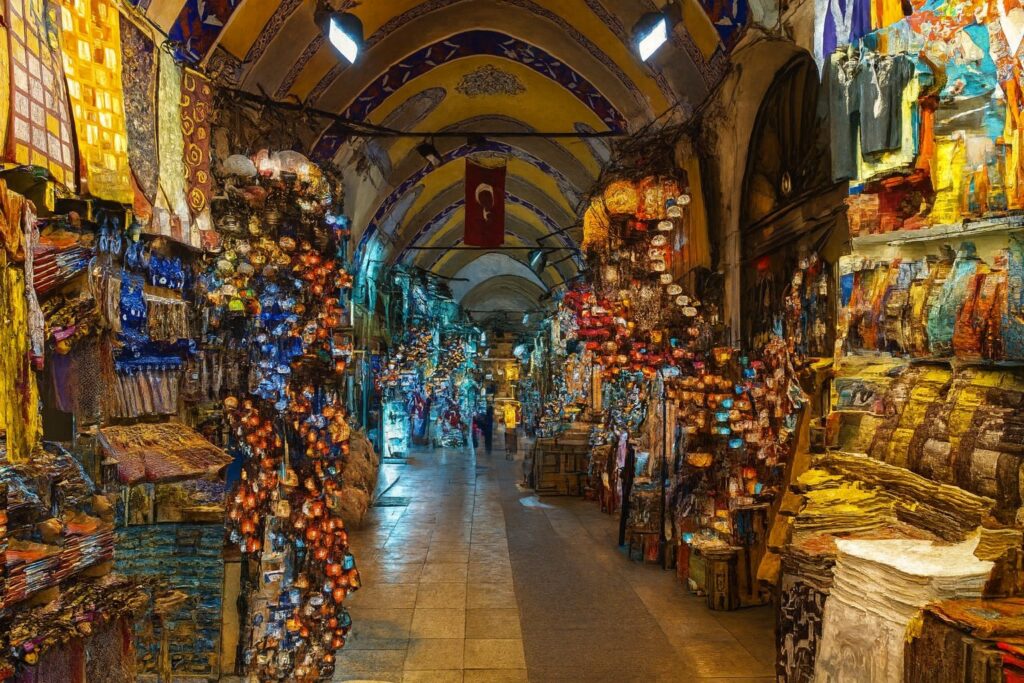
The Grand Bazaar is considered one of Mehmed the Conqueror’s most important achievements in Istanbul.
He established it as a massive commercial center bringing together:
Craftsmen
Merchants
Handicrafts
The silk, gold, and spice trade
Even today, the bazaar remains one of the largest covered markets in the world, a testament to Mehmed the Conqueror’s economic vision.
Fifth: Architecture during the reign of the conqueror
Mosques and schools
The Conqueror ordered the construction of numerous mosques and schools, most notably:
In addition to, the Fatih Mosque
And the Fatih Complex, which included schools, hospitals, and libraries
Support for architects
The conqueror was a great supporter of architects and later paved the way for the emergence of geniuses such as the architect Sinan.
Sixth: The impact of Mehmed the Conqueror on the identity of Istanbul
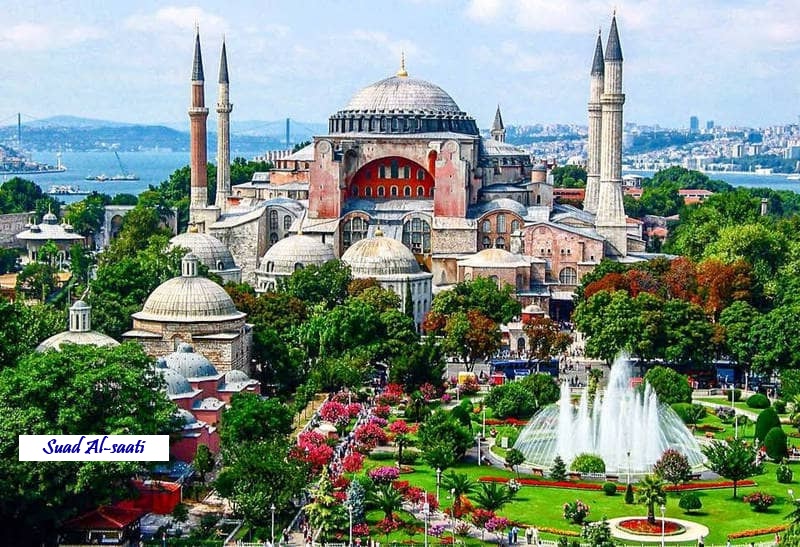
Istanbul today is a vibrant, multicultural city, a blend of East and West, its identity having been forged during the reign of the Conqueror.
Among his most notable achievements are:
Transforming the city into a global cultural center
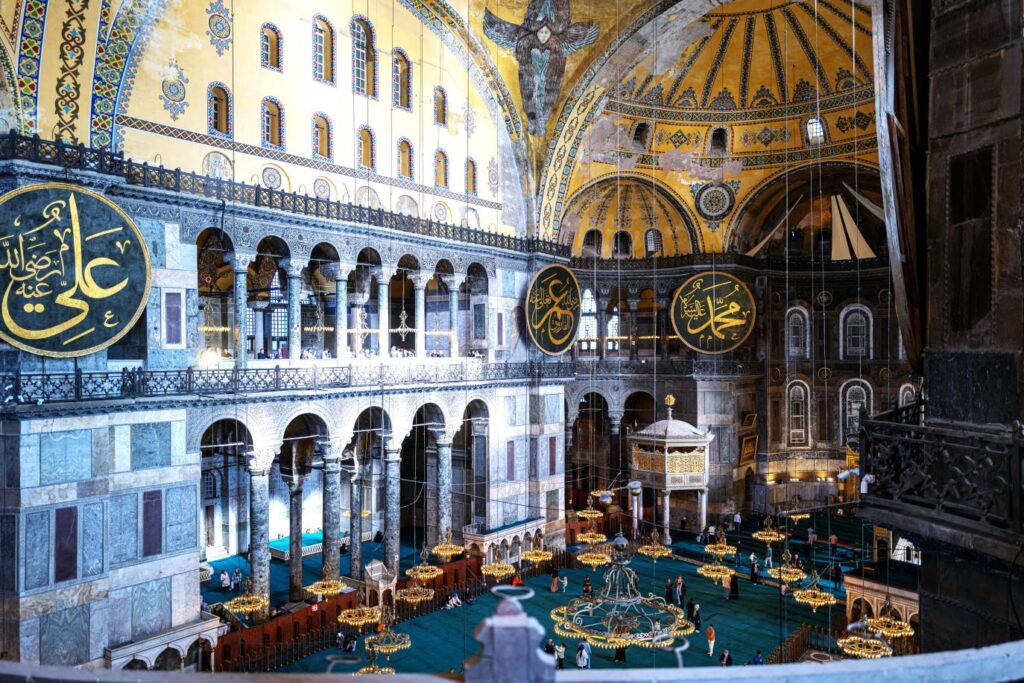
Integrating Byzantine heritage with Ottoman architecture
Strengthening Istanbul’s role as a bridge between continents
Establishing religious and cultural institutions that remain to this day.
Mehmed the Conqueror was not merely a military leader; he was the architect of Istanbul’s identity.
He rebuilt the city, launched its renaissance, and laid the foundations that made it one of the world’s most important cities for centuries.
Studying his role in Istanbul is not simply a matter of reading history; it delves into understanding the roots of a city that continues to evolve and inspire the world to this day.