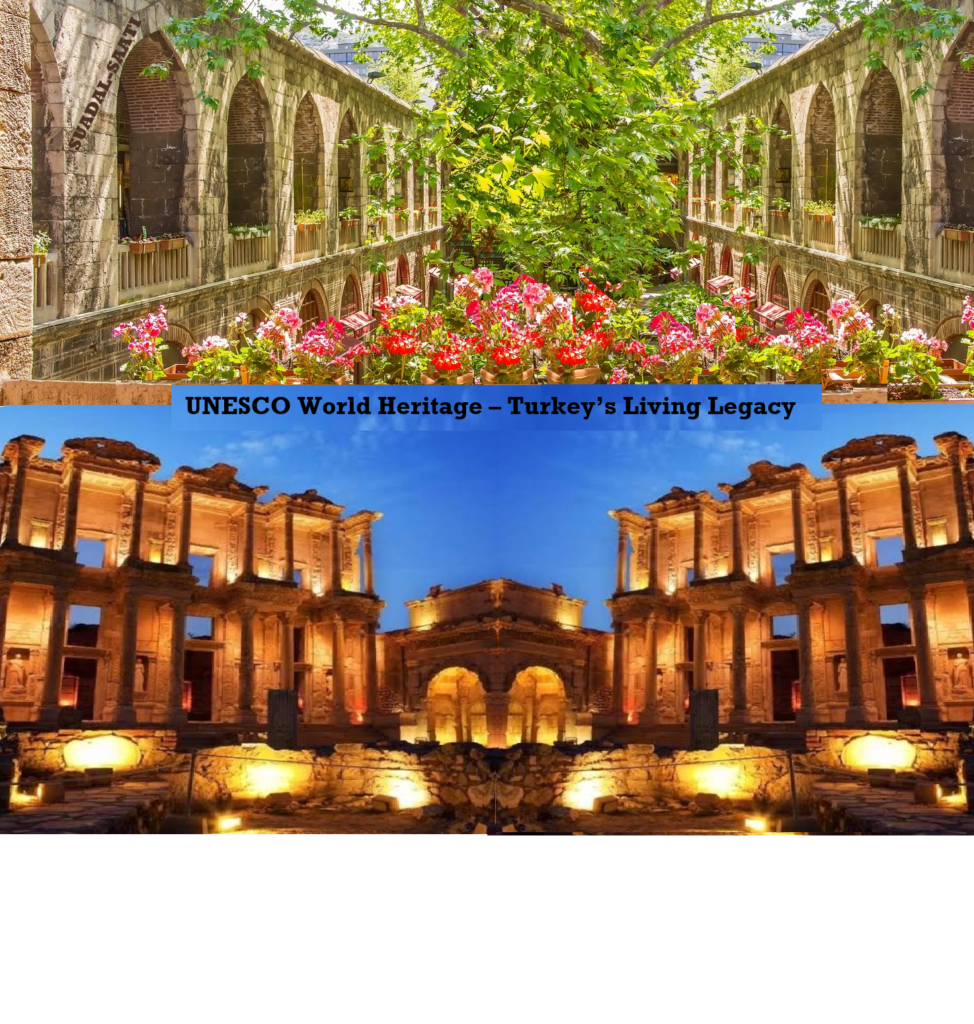
Turkey’s Culture and Nature in UNESCO

Turkey’s Culture and Nature in UNESCO, At the heart of the world, where continents meet and civilizations intertwine, Turkey stands as a living bridge between East and West, embodying the memory of history and the spirit of nature.
It is not merely a land, but a mosaic of cultural landmarks and natural treasures that have earned it a place on UNESCO’s World Heritage List.
From Istanbul, whose grandeur resonates with the architecture of Sinan and the glory of the conquerors, to Pamukkale and Cappadocia,
where nature sculpts its masterpieces with an unseen hand, Turkish heritage stands as a testament to the ability of humanity and nature to forge a global identity.
This article opens a window onto these treasures, taking the reader on a journey through history and geography,
where culture and nature unite to create a global legacy belonging to all humankind
Definition of the concept of “World Heritage” according to UNESCO
UNESCO’s definition of World Heritage: World Heritage is not simply a list of names of archaeological or natural sites,
but rather a collective memory of humanity, preserved by UNESCO as a trust for future generations.
When a city, monument, or reserve is inscribed on this list, it transforms from the property of a single people into a shared heritage of all humanity, possessing exceptional value that transcends geographical and political boundaries.
The Importance of Turkey as a Cultural and Natural Hub
The Importance of Turkey as a Cultural and Natural Hub
Therefore, Turkey is not just a geographical location on a map; it is an open stage for the history of humanity, where civilizations meet and cultures intertwine.
Moreover, its strategic location at the crossroads of continents has made it a living bridge between East and West, while its diverse landscape, from coasts to mountains, has endowed it with unparalleled environmental richness.
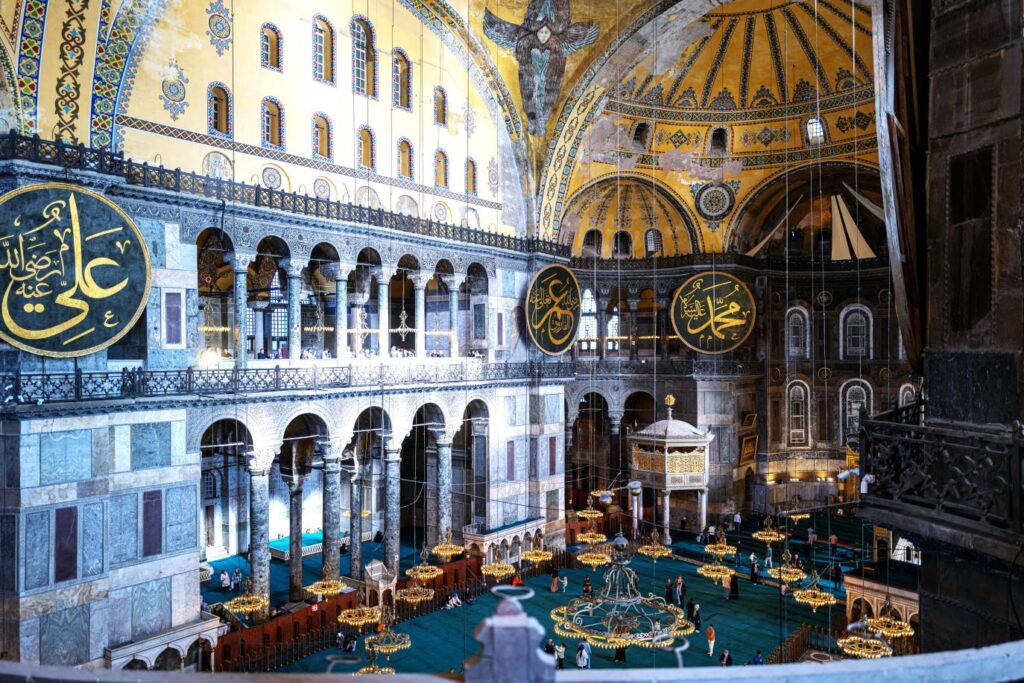
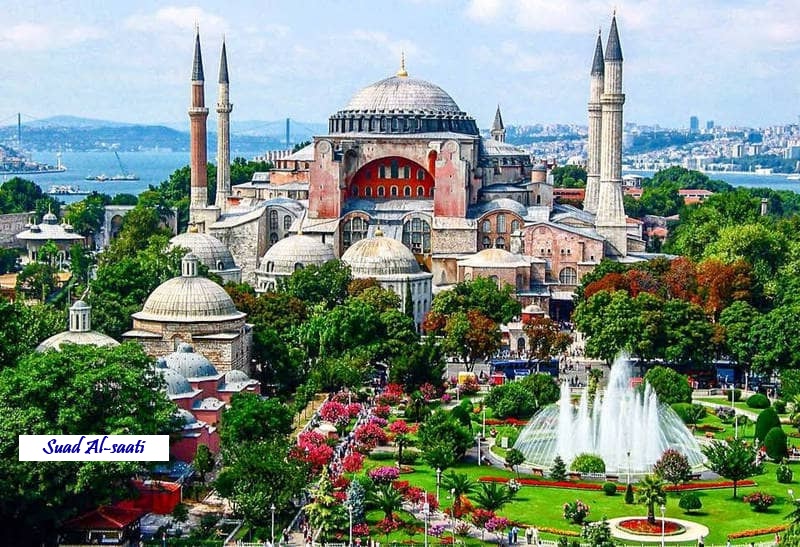
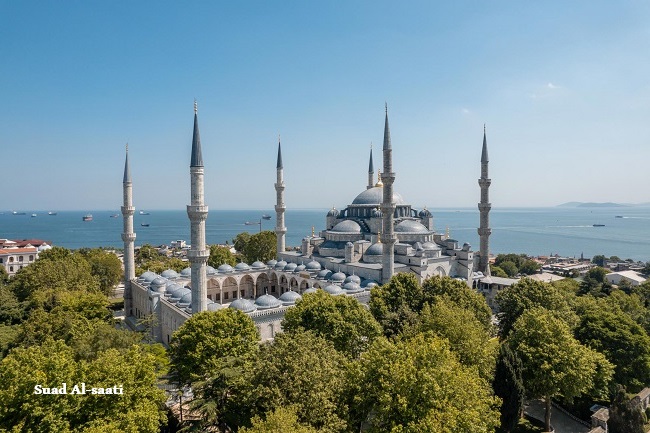
In Istanbul alone, Hagia Sophia and the Sultan Ahmed Mosque stand side by side, a scene that tells a story of the interaction between eras.
As a result, In Anatolia, Cappadocia and Pamukkale stretch out like rare natural canvases, showing how the land has shaped its beauty over millennia.
An Overview of World Heritage Sites in Turkey
Under the auspices of UNESCO, Turkey occupies a prominent position thanks to its wealth of World Heritage sites.
Therefore, As of 2025, there were 22 such sites, ranging from exceptional cultural landmarks like Historic Istanbul, Troy, and the Selimiye Mosque, to mixed natural-cultural sites like Cappadocia and Pamuk kale.
Moreover, this diversity reflects Turkey’s unique role as a bridge between civilizations and the environment and underscores that its part of the collective memory of humanity.
Cultural Heritage in Turkey
Cultural Heritage in Turkey, if world heritage is the memory of humanity, then Turkey represents one of the most luminous pages in that memory.
In Istanbul, Hagia Sophia, which held the secrets of the Byzantine Empire, stands alongside the Sultan Ahmed Mosque, a symbol of the grandeur of the Ottoman state, while Topkapi Palace bears witness to centuries of rule, politics, and art.
Ottoman architecture reached its zenith with the architect Sinan, who left his mark on hundreds of mosques, bridges, and bathhouses,
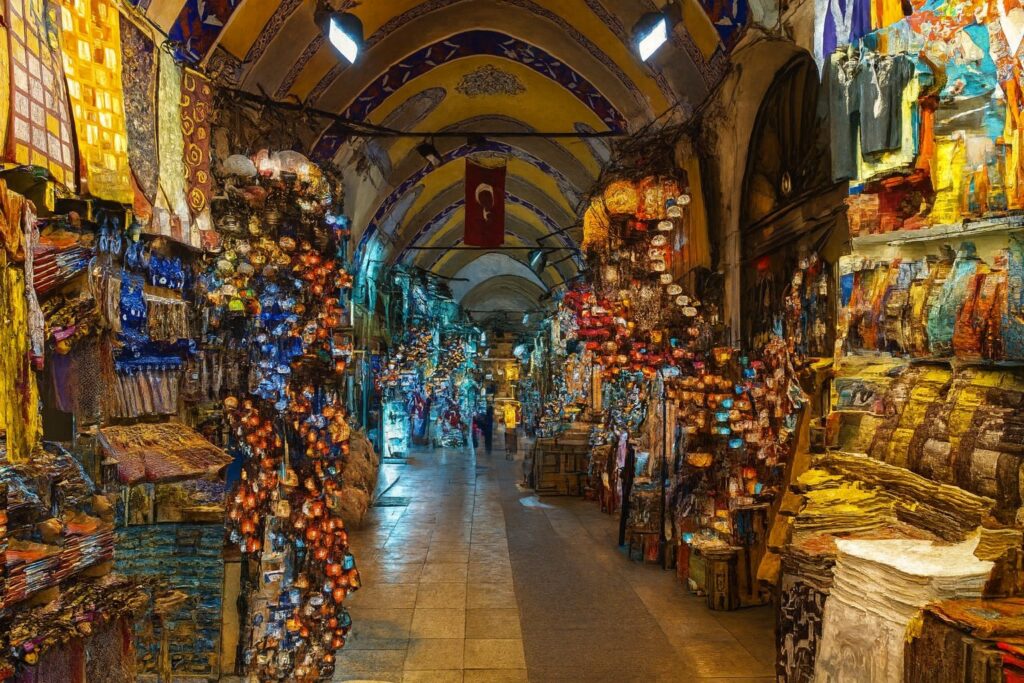
his works becoming a school of architecture in their own right. In historic markets like the Grand Bazaar and Laleli Bazaar,
the echoes of merchants and travelers still tell the story of cultural and economic exchange across the ages.

And the picture would not be complete without mentioning the figures who embodied Turkish cultural identity: from Mustafa Kemal Atatürk,
Therefore, who reshaped the modern state, to Mehmed the Conqueror,
who conquered Constantinople, to the artist Barış Manço, who made music a bridge between the past and the present.
If cultural heritage tells the story of humankind, then Turkey’s natural heritage tells the story of the land itself.
Moreover, between towering mountains and expansive coastlines, Turkish nature unfolds like a divine masterpiece, preserved by UNESCO as part of humanity’s heritage.
In Cappadocia, wind and rock sculpt unique shapes, creating a mythical landscape,
while in Pamukkale, mineral-rich waters cascade down white terraces that seem to ascend to the heavens. Along the Black Sea and Aegean coasts, diverse marine and terrestrial environments form a habitat rich in biodiversity. Mount Ararat remains a legendary symbol, linking nature with religious and human memory.
This natural heritage is not merely breathtaking scenery; it is a testament to the balance between humanity and the environment,
In addition, proof that Turkey carries not only the legacy of civilizations but also the legacy of nature, a heritage belonging to the entire world
The Global Dimension of Turkish Heritage
Moreover, Turkish heritage is a global legacy that places Turkey at the heart of global cultural and environmental dialogue.
As a result, by inscribing its sites on the World Heritage List, UNESCO affirms that these treasures do not belong to one nation alone but are part of the collective memory of humanity.
UNESCO’s Role: The organization works to protect these sites from deterioration
Therefore, sets standards for their preservation, ensuring they remain witnesses to the genius of humankind and nature.
Global Cultural Dialogue: Turkish heritage opens doors for interaction between East
and West, making Turkey a platform for cultural exchange where visitors and researchers from all continents meet
Challenges: The preservation of these sites faces increasing pressure from intensive tourism, climate change, and urban expansion. However, their inscription on the World Heritage List grants them international protection and makes them a shared responsibility of humanity.
Moreover, Heritage is not merely a past preserved in stones or landscapes; it is a shared responsibility that reflects the identity of all humanity.
As a result, Turkish sites inscribed on UNESCO’s World Heritage List remind us that protecting this legacy is not the sole responsibility of institutions,
Therefore, but rather a call for every individual to participate in its preservation, whether through awareness, responsible visits, or support for international conservation efforts.
In addition, through this article, we invite the reader to view Turkish heritage as a window to the world and a bridge between civilizations and nature.
For those wishing to delve deeper, the following sub-articles address:
Cultural Heritage: Historical Monuments, Architecture, Markets, and Personalities
Natural Heritage: Nature Reserves, Coastlines, and Mountains
The Global Dimension: UNESCO’s Role and Contemporary Challenges